


Why Persian Handwoven Cushions Are Considered Heirloom Pieces You Can Pass Down for Generations
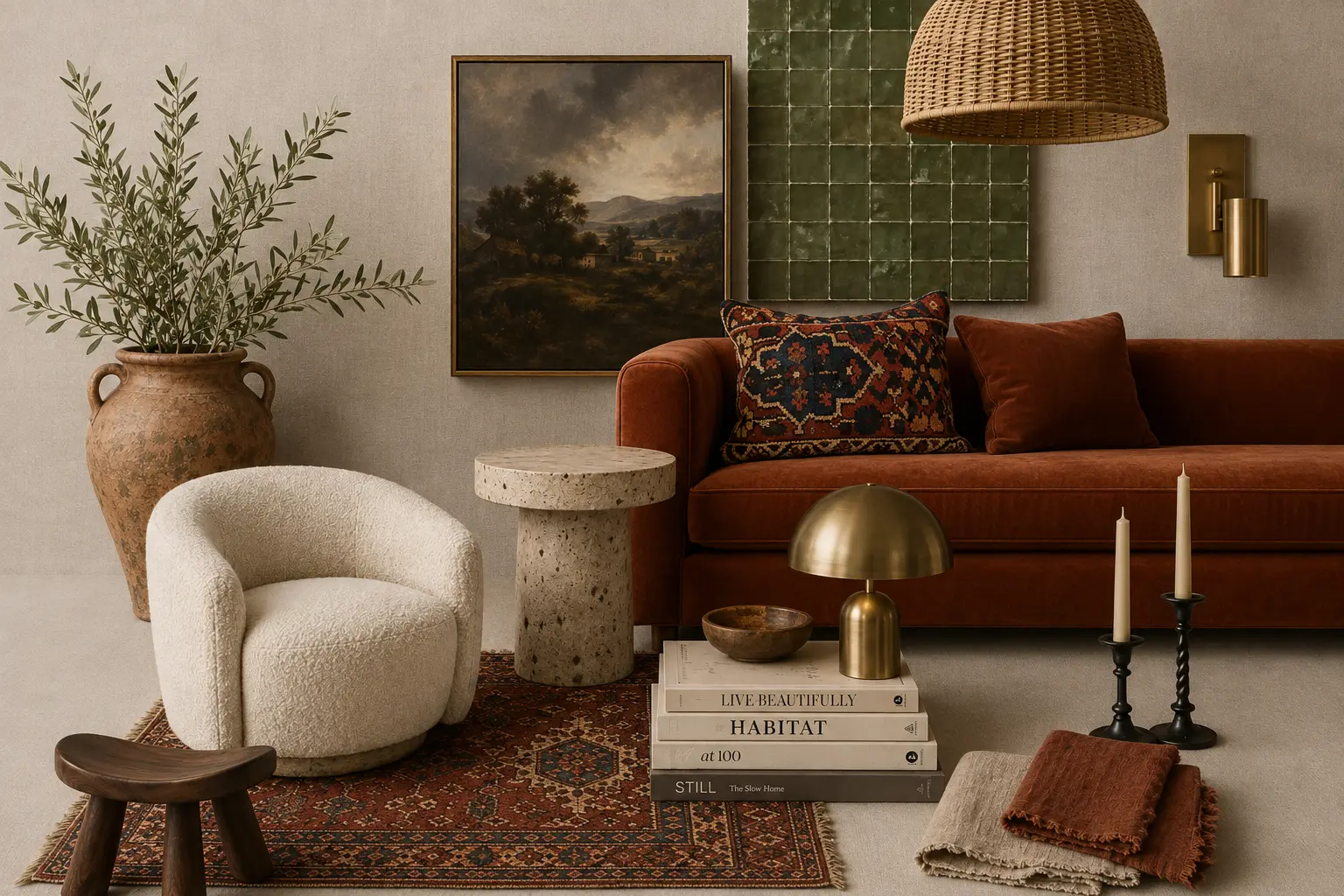
Some home accessories are chosen for a season. Others become part of a family story. Persian handwoven cushions belong to the second category. Made from fragments of carefully woven Persian rugs, each cushion carries the character of an old textile, the patience of a craftsperson, and the warmth of a home where people gather. It is easy to enjoy their beauty today, yet their real value becomes clearer with time.
For many women in the Gulf, decorating a home is closely connected to hospitality, memory, and family identity. A cushion placed on a majlis sofa can welcome guests, soften a formal room, or remind you of a grandmother’s sitting room. That emotional connection is why these pieces are often described as heirloom decor pieces for generations. They are not simply accessories; they are objects with a history that can continue through your own family.
At Mawa Home Decor, our Persian rug cushions are selected for their woven character, practical comfort, and ability to live beautifully in both classic and contemporary interiors. The goal is not to fill a room with decoration, but to help you choose a few meaningful pieces that feel right in your everyday life.
What Makes a Cushion an Heirloom?
An heirloom is something that gains emotional and cultural value as it moves from one generation to the next. It may be a piece of jewelry, a serving tray, a handwritten recipe, or a textile used during family celebrations. The object matters because of its quality, its story, and the memories created around it.
A Persian handwoven cushion naturally fits this idea. The rug section used for its cover may have been woven many years ago, using traditional techniques and patterns passed from one generation of weavers to another. When that textile becomes part of your living room, it begins a new chapter. Your family may associate it with afternoon coffee, Ramadan gatherings, wedding preparations, or quiet evenings together.
Unlike a mass-produced cushion that looks identical in thousands of homes, a handwoven piece has small variations in color, line, and texture. Those details are not flaws. They are evidence of the human hand and a reminder that the cushion is a one-of-a-kind textile object.
The Story Inside Persian Rug Weaving
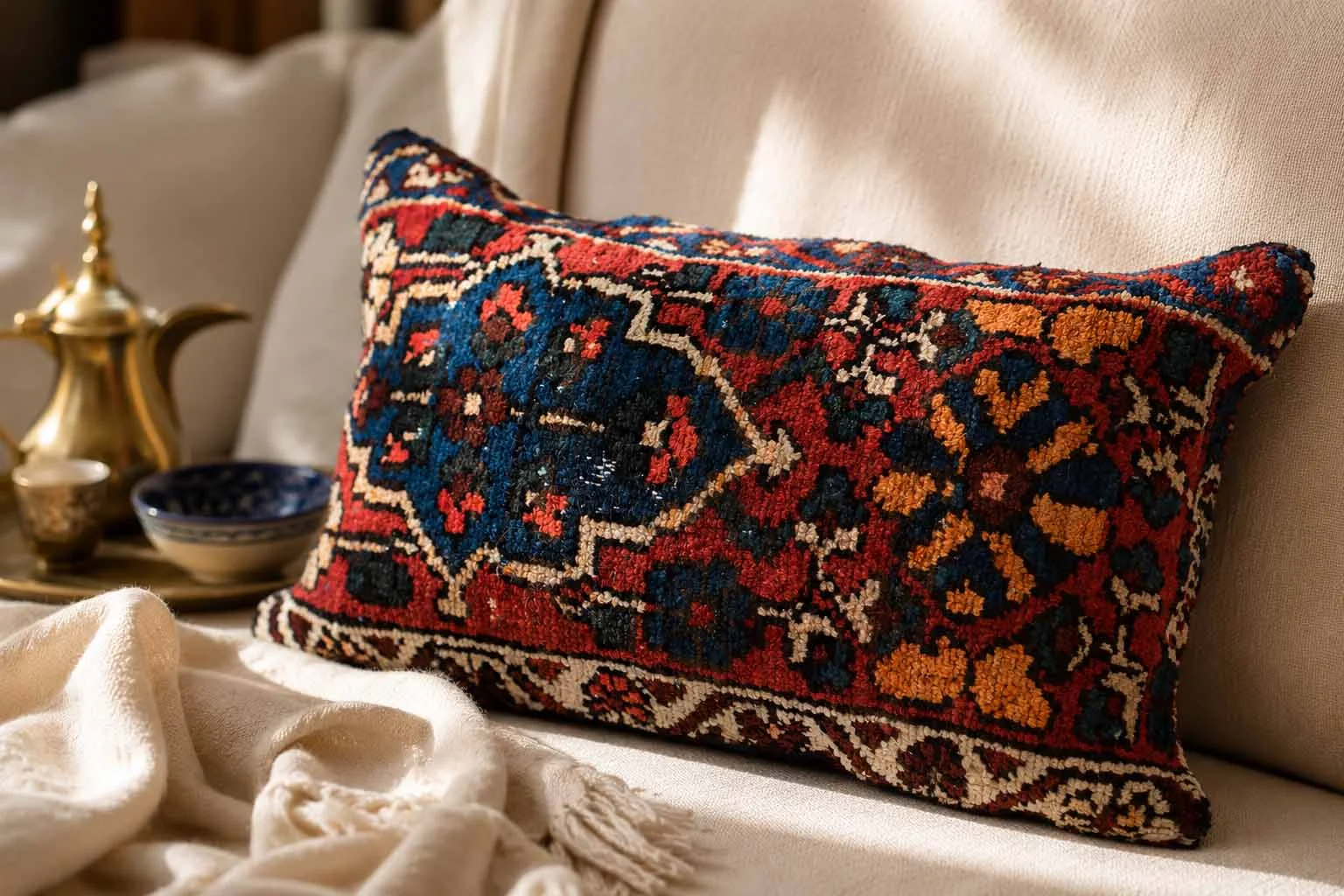
Persian rugs are admired around the world for their intricate composition and enduring materials. Traditional weavers often work with wool, cotton, or silk, building a design knot by knot. The process requires concentration and time. Even when a cushion is created from a vintage rug fragment, it preserves the visual language of that original weaving: balanced borders, rhythmic motifs, floral details, and colors that develop depth as the textile ages.
This is where the idea of Persian rugs as heirlooms becomes especially meaningful. You are not purchasing a random pattern printed onto fabric. You are bringing home a small piece of textile heritage. The cushion allows that heritage to be used in a practical, relaxed way rather than kept hidden in storage.
For a Gulf home, this connection can feel especially natural. Majlis interiors have always welcomed textiles, layered seating, and decorative objects that encourage conversation. A Persian cushion adds cultural richness without making the room feel like a museum. It can sit beside a modern sofa, an antique coffee table, or a neutral floor rug and still feel at home.
Why Handwoven Cushions Last
Durability is one of the main reasons people choose handwoven textiles for a long-term home. The original rug was designed to handle regular use, and its dense weave gives the cushion cover a substantial feel. When the cover is professionally finished and paired with a supportive insert, it can remain attractive through many seasons of family life.
Longevity does not mean that the cushion must remain untouched. In fact, gentle use often makes a textile feel more personal. You can rotate it between rooms, use it as a lumbar cushion, or place it on a reading chair. As your home changes, the cushion can change with it.
To help preserve your investment, keep these simple habits in mind:
- Keep the cushion away from prolonged, direct sunlight to protect its colors.
- Fluff and rotate it regularly so the filling wears evenly.
- Vacuum gently with a suitable upholstery attachment rather than brushing aggressively.
- Blot small spills quickly and avoid soaking the rug surface.
- Choose professional cleaning when the textile needs deeper care.
A Quiet Way to Add Luxury
Luxury in interior design is not always about shine, size, or dramatic color. Often, it is felt through texture and restraint. A Persian handwoven cushion introduces a quiet kind of luxury: a tactile surface, nuanced color, and a pattern that reveals more detail the closer you look.
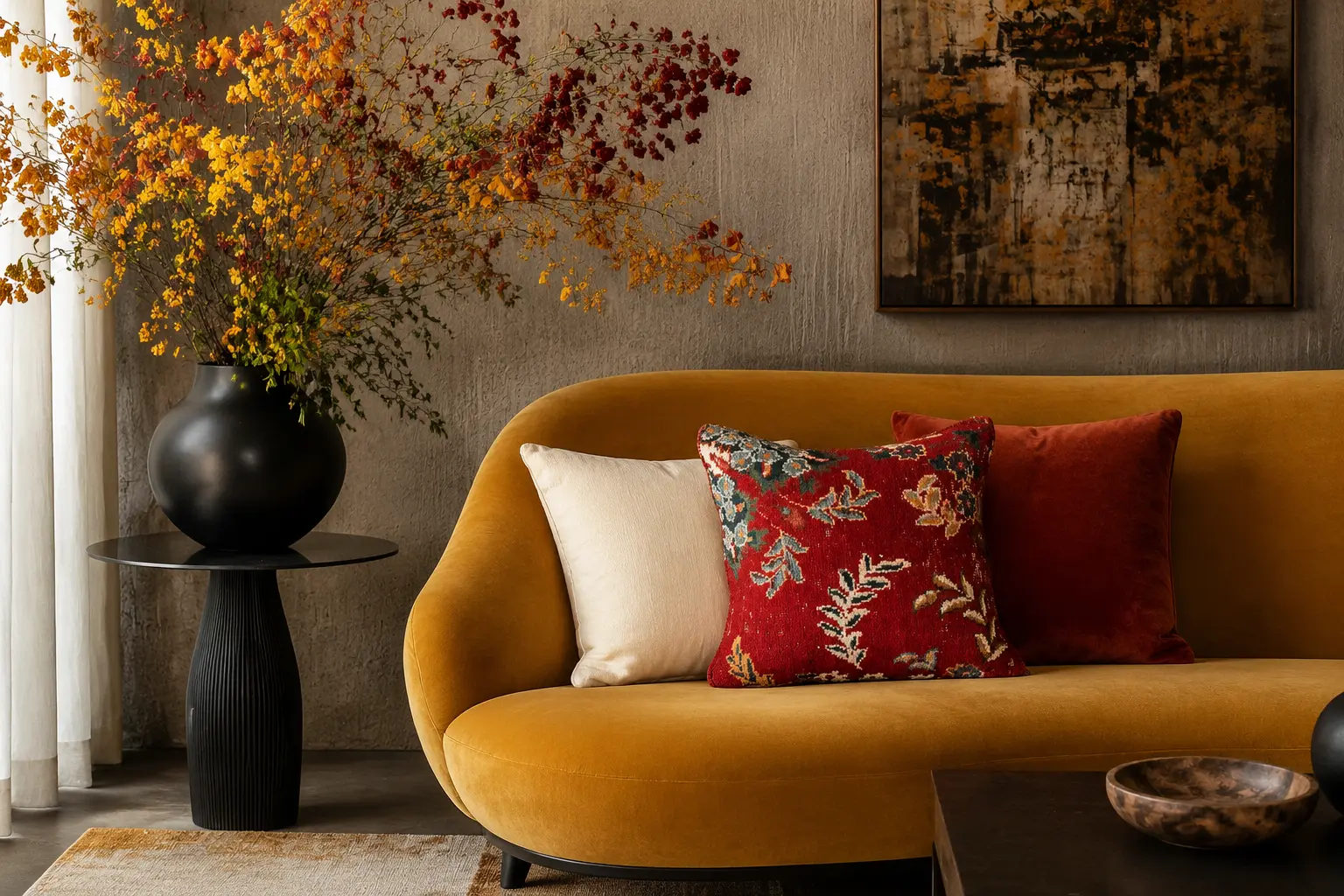
This makes the cushion easy to style. In a light living room, a jewel-toned rug cushion can provide depth without overwhelming the palette. In a richly layered majlis, a more muted geometric design can create balance. If your furniture is contemporary, choose a cushion with a strong border or an unexpected color combination. If your room already contains many patterns, look for a design with two or three dominant tones.
Many women prefer to begin with one cushion and observe how it changes the room. That is a sensible approach. Place it on a sofa corner, next to a woven basket, or on a bench near the entrance. Once you understand the scale and color, you can add another piece without making the space feel crowded.
How to Choose the Right Heirloom Cushion
Choosing a meaningful piece is more personal than matching a trend. Start by considering where the cushion will live and how it will be used. A family room may need a firm, practical cushion, while a formal sitting area can accommodate a more decorative style.
Then study the color story of your space. Look at curtains, wall tones, artwork, and the undertone of your flooring. You do not need an exact color match. A shared undertone—warm red with terracotta, blue with charcoal, or green with olive—usually creates a more sophisticated connection.
Pay attention to proportion as well. A large sofa can carry a generously sized cushion, while a small armchair may look best with a compact square or lumbar shape. For layered seating, combine one patterned rug cushion with a plain linen or velvet cushion. The contrast allows the handwoven textile to remain the focal point.
Before buying, ask yourself a few practical questions:
- Will the cushion be used every day or mainly during gatherings?
- Does the cover have a secure closure for easy maintenance?
- Is the texture comfortable against the way you sit?
- Can the colors work if you rearrange the room later?
- Would you be happy to see this design in ten years?
Frequently Asked Questions
Are Persian handwoven cushions suitable for modern homes?
Absolutely. The key is choosing a design that relates to your existing palette. A simple contemporary room often benefits from one richly textured cushion because it adds warmth and personality without changing the entire style.
Will every cushion look exactly the same?
No. Handwoven and vintage rug sections naturally vary. Slight differences in tone, weave, or motif are part of their character. If you prefer a coordinated arrangement, select cushions from a similar color family rather than expecting identical patterns.
Are they comfortable for everyday sitting?
They can be. Comfort depends on the insert, size, and firmness you choose. A soft insert suits lounging, while a firmer one offers better support on a majlis sofa or dining bench.
How do I clean a Persian rug cushion?
Begin with gentle vacuuming and spot treatment for minor marks. Because the cover is made from a woven rug textile, avoid washing it casually in a home machine. Professional textile cleaning is the safest choice for stubborn stains or seasonal maintenance.
Can I give one as a wedding or housewarming gift?
Yes. A handwoven cushion is personal without being difficult to use. It works as a thoughtful wedding gift, a new-home present, or a meaningful gesture for someone who appreciates craftsmanship and interiors.
A Piece Your Family Can Keep Using
The most memorable heirlooms are not locked away. They appear in photographs, move from one room to another, and become familiar through everyday use. A Persian cushion can begin in your majlis, travel to a daughter’s first apartment, and later return to the family home for a new celebration.
Its value is both visible and emotional. You see the handwoven pattern, feel the texture, and remember the moments that happened around it. Over time, the cushion becomes a quiet record of your family’s taste and life together.
If you are building a home with intention, consider choosing accessories that offer more than a temporary trend. Explore the curated collection at Mawa Home Decor and find a Persian handwoven cushion that suits your space today while holding the potential to become one of your family’s luxury pieces that last forever.
Ready to choose a piece with a story? Browse Mawa Home Decor’s Persian rug cushions, compare colors and textures, and select the design you can imagine welcoming guests with now—and passing on with pride later.