


Styling Your Arabic Seating (Jalsa) with Handwoven Persian Cushions: A Complete Guide
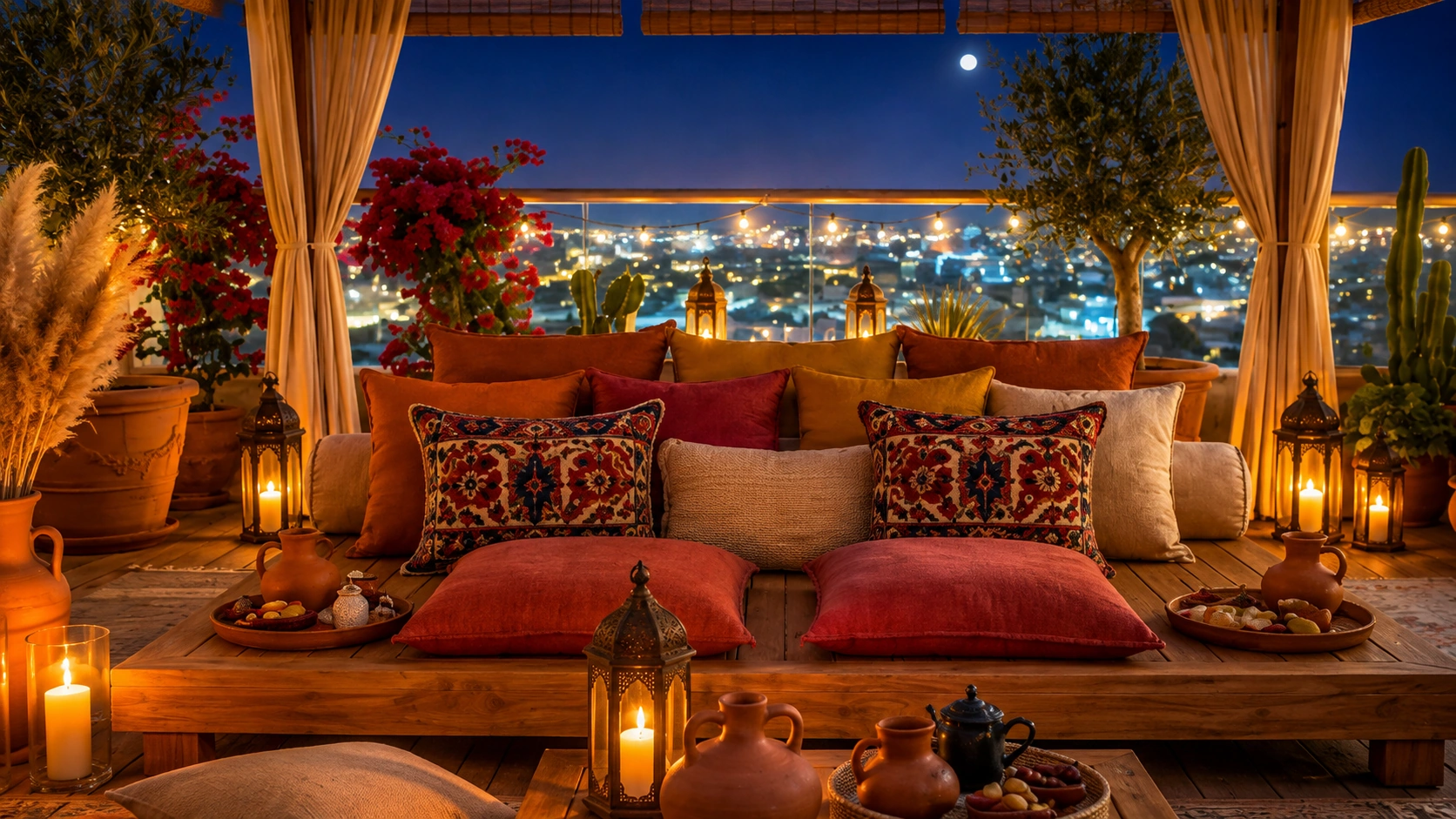
An Arabic jalsa is more than a seating area. It is where family gathers after long days, where guests are welcomed with coffee and dates, where late-night conversations stretch into early morning, and where the character of a home quietly reveals itself. Because the jalsa carries so much meaning, the way you style it matters more than any other space in the house.
Cushions play a bigger role than most people realize. They shape comfort, define the atmosphere, and often become the visual centerpiece of the entire seating. And when those cushions are made from handwoven Persian rugs, they bring something you cannot get from mass-produced textiles: real craftsmanship, layered color, and a sense of history that feels naturally at home in Arabic interiors.
This guide walks you through everything you need to style a jalsa that feels warm, personal, and quietly luxurious, using handwoven Persian cushions as the heart of the design. At Mawa Store, we work with many homeowners across the Gulf who want their jalsa to feel authentic without looking overly traditional, and modern without losing its soul. The good news is that the right cushions can do most of the work for you.
Why Persian Cushions Feel So Natural in an Arabic Jalsa
There is a reason Persian textiles have been part of Gulf homes for generations. The visual language of Persian rugs — the deep reds, warm rusts, indigo blues, soft ivories, and hand-drawn motifs — sits beautifully next to Arabic architecture, oud-scented rooms, and traditional hospitality rituals.
When these rugs are reworked into cushions, they bring the same richness in a smaller, more flexible format. You get all the warmth and character of a Persian rug without needing to redesign your entire room around it. That is why so many jalsas across the region use handwoven Persian cushions as their signature detail.
What makes them feel right in a jalsa
- The color palettes complement earthy Gulf interiors naturally.
- The patterns feel handcrafted, not printed or generic.
- Each cushion has its own character, so the seating never looks mass-produced.
- They pair effortlessly with linen, cotton, wood, brass, and stone.
- They add depth without demanding a full redesign.
Start with the Personality of Your Jalsa
Before choosing cushions, it helps to pause and think about what kind of jalsa you actually want. Not every seating area needs to feel the same. Some jalsas are formal and reserved for guests. Others are casual, used every evening by the whole family. Some are floor-style and traditional. Others are elevated with modern low sofas.
Ask yourself a few honest questions:
- Do I want the jalsa to feel calm and elegant, or warm and lived-in?
- Is it mainly for family, guests, or both?
- Do I prefer a traditional Arabic feel or a modern interpretation?
- How much color do I want to introduce into the space?
- Do I want one bold focal point or a layered, collected look?
Your answers shape everything else — from the color of the cushions to how many you buy and how you arrange them. There is no wrong direction here, only different moods.
Choosing the Right Persian Cushions for Your Jalsa
Not every Persian cushion suits every jalsa. Some carry bold, dramatic patterns. Others are softer and more subtle. The trick is to match the intensity of the cushions to the intensity of the room.
If your jalsa has neutral walls and simple seating
This is where richer Persian cushions really shine. Deep reds, indigo, rust, olive, and aged gold can transform a quiet room into a memorable one. You do not need many. Two or three strong pieces can carry the entire look.
If your jalsa already has patterned rugs or ornate details
Choose cushions with softer, less complex motifs. Look for pieces with balanced negative space and gentler color contrasts. The goal is harmony, not competition.
If you want a modern Arabic jalsa
Pair handwoven Persian cushions with clean-lined furniture, minimal walls, and natural materials. The contrast between contemporary architecture and handcrafted textiles creates one of the most beautiful looks you can achieve — refined but never cold.
If you want a traditional Gulf jalsa
Go for larger cushions in classic Persian tones, layered generously along the walls. This works especially well in floor-style seating where guests sit low and stay long.
Floor Jalsa vs. Elevated Jalsa: Styling Differences
The type of seating changes everything about how you use cushions. A floor jalsa needs different sizes, quantities, and placements than a sofa-style jalsa.
Styling a floor jalsa
Floor seating relies heavily on cushions for both comfort and structure. You need:
- Larger back cushions along the wall for support.
- Medium cushions layered in front for depth.
- A few smaller accent cushions to break the symmetry.
- Optional floor cushions or poufs for extra guests.
The look should feel generous and welcoming. Empty gaps between cushions feel less appropriate here than they would on a sofa. A floor jalsa wants to feel full but not chaotic.
Styling an elevated jalsa
Modern sofa-style jalsas benefit from restraint. Too many cushions on a low sofa look crowded, and guests end up moving them aside before sitting. A better approach:
- Two to three larger Persian cushions as anchors.
- One or two lumbar cushions to add rhythm.
- Plain or lightly textured cushions in between to give the eye rest.
The key is letting each handwoven piece have room to be seen.
Building a Color Story That Feels Cohesive
One of the fastest ways a jalsa starts to look cluttered is when the colors do not talk to each other. Persian cushions come in incredibly rich palettes, so it helps to choose one dominant story and build around it.
Warm earth story
Terracotta, rust, caramel, aged brass, warm cream. This story feels grounded, inviting, and deeply Arabic. It works beautifully in homes with wooden ceilings, limewash walls, or travertine floors.
Cool heritage story
Indigo, deep teal, ivory, soft charcoal, muted gold. This palette feels more refined and slightly formal. It suits modern jalsas with cleaner architecture and calmer lighting.
Balanced neutral story
Faded reds, dusty pinks, soft olives, warm beiges. This is the easiest story to live with day to day. It gives you Persian character without strong visual weight, which many families appreciate in high-use jalsas.
Whichever story you choose, let it echo through the room in small ways — a brass tray, a wooden bowl, a linen throw. That is what makes a jalsa feel intentionally styled rather than randomly assembled.
Arranging Cushions Like a Stylist
Arrangement is where many jalsas quietly lose their potential. Even the most beautiful cushions can look wrong if they are lined up too neatly or piled up too casually. A few simple principles help enormously.
Layer from largest to smallest
Start with the biggest cushions at the back, then medium cushions in front, then smaller accents. This creates depth and makes the seating feel considered.
Use odd numbers when possible
Three cushions on a section usually feels more natural than four. Five feels more elegant than six. Odd numbers create movement, even numbers create formality — both can work, but odd is often easier to style.
Mix scales, not just colors
A big square, a smaller square, and a lumbar cushion feel far more interesting than three cushions of identical size. Scale variety is one of the biggest secrets behind styled interiors.
Leave breathing room
Especially on modern sofas, resist the urge to fill every inch. Guests still need to sit comfortably, and empty space around a cushion helps its beauty stand out.
Small Details That Elevate the Whole Jalsa
Once your cushions are chosen and arranged, a few surrounding details can push the whole space into something memorable.
- A low walnut or travertine coffee table with a brass tray for Arabic coffee and dates.
- A tall ceramic or terracotta vase with dried branches or pampas.
- Layered rugs — a large neutral base with a smaller vintage rug on top.
- Warm ambient lighting from floor lamps or wall sconces rather than harsh ceiling lights.
- A soft linen throw casually placed on one corner of the seating.
None of these need to be expensive. They just need to feel consistent with the mood you have created through your cushions.
Common Styling Mistakes to Avoid
- Using too many cushions of the same size, which flattens the visual rhythm.
- Mixing too many strong patterns without a unifying color.
- Choosing cushions that clash with the rug beneath them.
- Overloading a small jalsa with oversized pieces.
- Forgetting comfort in the pursuit of aesthetics.
The best jalsas always balance beauty with usability. If a cushion is stunning but no one wants to lean on it, something has gone wrong.
Frequently Asked Questions
How many Persian cushions do I need for a jalsa?
It depends on the size of the seating, but most jalsas look balanced with somewhere between 6 and 14 cushions total. Mix sizes and let a few handwoven pieces be the stars.
Can I mix Persian cushions with modern furniture?
Yes, and it often looks better than expected. The contrast between clean modern lines and handcrafted textiles creates a jalsa that feels both current and rooted.
Are Persian cushions comfortable enough for daily use?
Absolutely. With a good insert, they work beautifully for everyday leaning, reading, and relaxing. The woven front is more textured than plain fabric, but that is part of their charm.
Should all my cushions match?
No. Matching cushions can make a jalsa feel like a showroom. Related colors and mixed sizes always feel more inviting and elegant.
How do I care for handwoven cushions in a busy household?
Gentle spot cleaning, occasional airing, and avoiding long exposure to direct sunlight will keep them beautiful for years. Handwoven textiles are more resilient than most people assume.
Final Thoughts
A well-styled Arabic jalsa is not about following rules. It is about creating a space that feels like you — warm, welcoming, and quietly refined. Handwoven Persian cushions give you a beautiful shortcut to that feeling because they carry so much character on their own. They bring color, texture, and craftsmanship without needing much help from the rest of the room.
Start with the mood you want, choose cushions that match the intensity of your space, mix sizes generously, and leave room for real life to happen on that seating. That is where the magic of a jalsa lives.
Ready to bring warmth and craftsmanship into your jalsa? Explore the handwoven Persian cushion collection at Mawa Store on mawahomedecor.com and find pieces that give your seating the character it deserves.